
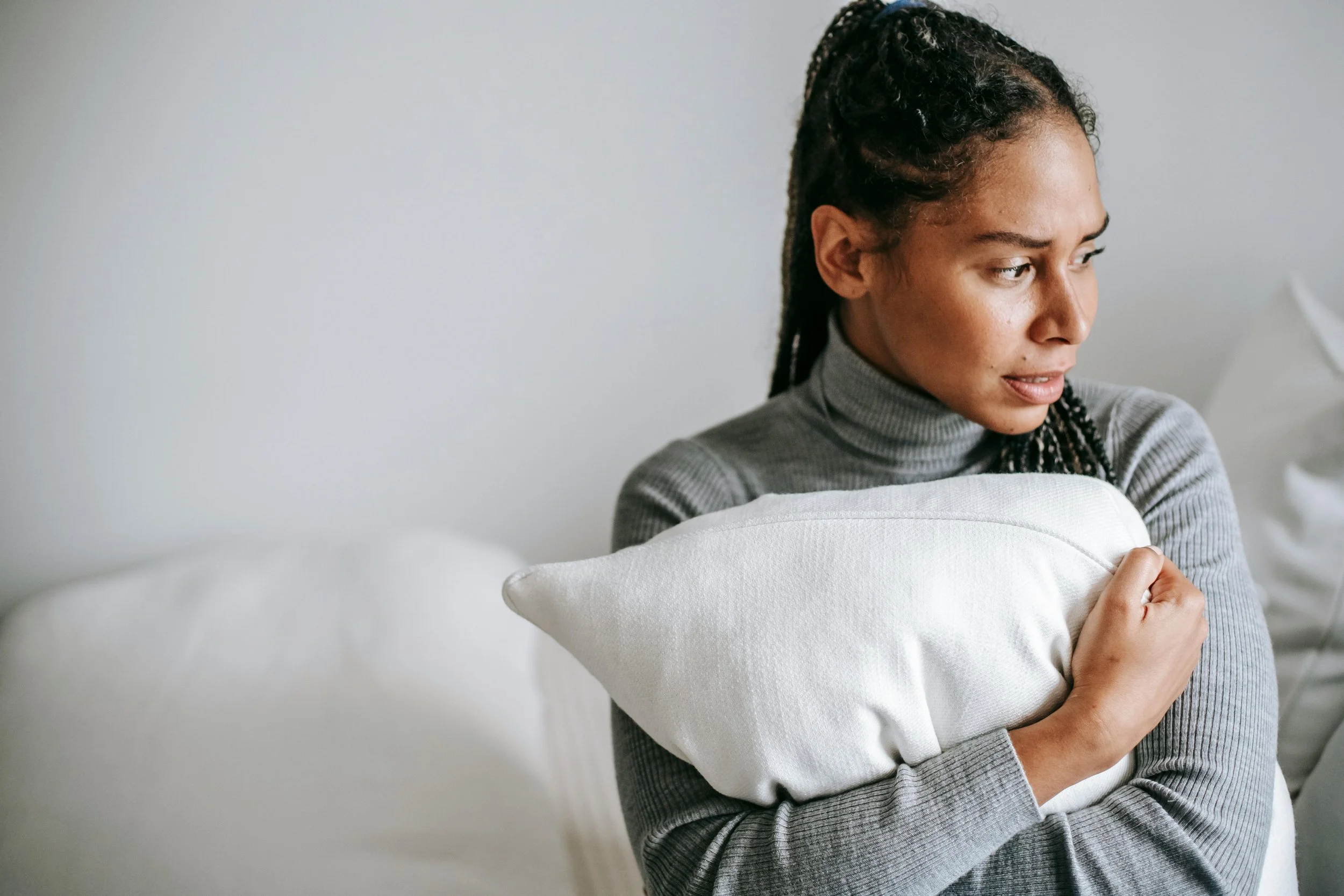
Anxiety can show up in quiet ways or feel like it’s taking over everything.
Maybe it’s a racing heart when you open your inbox, or the tightness in your chest before a big conversation. Maybe it’s the overthinking, the sleepless nights, or just the constant feeling that something’s “off.”
If you’ve been wondering, “Is this anxiety?”—you’re not alone. In my work with women across Florida, anxiety is one of the most common struggles we talk about in therapy. And the good news? It’s something you can understand, manage, and heal from—with support.
Let’s break down what anxiety is, why it happens, and how therapy can help you find relief.
What Is Anxiety?
Anxiety is your brain’s way of responding to perceived danger or stress. It’s part of your body’s natural fight-or-flight response—but when it becomes constant or overwhelming, it can interfere with your daily life.
Anxiety looks different for everyone. You don’t have to be having a full-blown panic attack to be struggling.
Common Symptoms of Anxiety
You may be dealing with anxiety if you experience:
Racing thoughts or constant overthinking
Restlessness or feeling “on edge”
Tight chest, rapid heartbeat, or shortness of breath
Trouble sleeping or staying asleep
Feeling like you can’t relax or shut your brain off
Avoiding certain situations or people out of fear or worry
Fatigue, irritability, or low concentration
You’re not just “too sensitive” or “overreacting.” Anxiety is real—and valid.
What Causes Anxiety?
There’s no single cause, but several factors can contribute to anxiety, including:
Past experiences or trauma: Unresolved trauma can leave your nervous system in a state of hypervigilance.
Perfectionism or high expectations: Many high-achieving women I work with struggle with anxiety tied to pressure to “do it all.”
Genetics or brain chemistry: Sometimes anxiety runs in families or is tied to how your brain processes stress.
Life transitions: Starting a new job, moving, ending a relationship, or becoming a parent can all trigger anxiety.
Chronic stress: If your nervous system never gets a break, it can become stuck in a heightened state.
No matter the cause, your anxiety is not a personal failure—it’s a sign that your body and mind need care.
Treatment Options for Anxiety
You don’t have to manage anxiety on your own. Therapy offers a safe space to untangle your thoughts, learn coping tools, and build a calmer inner world.
Therapy Approaches That Work for Anxiety:
Cognitive Behavioral Therapy (CBT): Helps identify and challenge anxious thought patterns.
Dialectical Behavior Therapy (DBT): Focuses on managing emotions, reducing reactivity, and building mindfulness.
Somatic and body-based approaches: Help regulate the nervous system through grounding, breathwork, and awareness of physical sensations.
Trauma-informed therapy: Addresses the root causes of anxiety in a safe, compassionate way.
Coping Tools You Can Start Using Today
While therapy provides deeper support, there are small steps you can start practicing today:
Name what you’re feeling. Saying “This is anxiety” can help you create distance from it.
Try journaling. Write down your anxious thoughts and notice the patterns.
Practice grounding. Use your senses to bring yourself into the present: name 5 things you can see, 4 you can touch, 3 you can hear, 2 you can smell, and 1 you can taste.
Use calming apps. Try Insight Timer, Calm, or Breathwrk for short mindfulness practices.
Focus on sleep and rest. Even 10 extra minutes of rest can help regulate your mood.
✨ Want more tips? Check out my post on self-care for burnout.
You Deserve Relief
Anxiety can feel isolating—but you don’t have to stay stuck in it. With the right tools and support, it is absolutely possible to feel more grounded, clear, and in control again.
If you’re tired of managing this on your own, let’s talk.
I’m Jade Staubs, Licensed Therapist and your biggest supporter in Florida. I work with women across the state through secure online therapy to help you overcome anxiety and feel like yourself again.
👉 Click here to schedule your free consultation and take the first step toward relief.
You are not too much. You are not alone. And you are so worthy of feeling better.

Hi, I’m Jade, therapist based in Florida. Your biggest supporter.
Vivamus dictum quam sed odio tristique auctor. Integer in efficitur magna. Sed ut ante a ligula congue malesuada in ac dui. Integer quam urna, feugiat quis ligula a, vehicula tristique mauris.
With love,
Grace
Let’s connect: